, October 08, 2026

, October 08, 2026
The first regional cannabis workforce study of its kind provides a baseline assessment of job creation, workforce capacity, hiring challenges, and social equity outcomes across New York's emerging cannabis economy.
As New York's legal cannabis market continues to mature, understanding workforce needs has become essential to sustaining growth, advancing equity, and achieving the long-term objectives of the Marihuana Regulation and Taxation Act (MRTA).
The Hudson Valley Cannabis Workforce Blueprint establishes an initial regional baseline for workforce monitoring and provides stakeholders with actionable data on employment, hiring trends, workforce readiness, and business needs.
The findings confirm that the industry has established a meaningful employment base while also identifying workforce and infrastructure gaps that could limit future growth if left unaddressed.
Including 800 full-time positions, demonstrating the industry's early contribution to regional employment.
An overwhelming majority of surveyed businesses expect to expand their workforce within the next 6–12 months.
More than half of respondents identified a lack of qualified candidates as a primary barrier to growth.
The data show measurable progress toward equitable participation within the legal cannabis industry.
Westchester, Dutchess, Ulster, and Orange Counties account for the majority of employment identified through the survey.
The data reveal a clear paradox.
Businesses across the Hudson Valley are prepared to hire and expand operations, yet many report difficulty finding workers with the skills and training needed to support growth.
This workforce readiness gap represents the most significant structural challenge identified in the study and may limit the industry's ability to meet future employment, economic development, and equity objectives.
The cannabis industry has established a strong foundation for job creation and economic activity, but sustainable growth will require coordinated investment in workforce development, education, and business support services.
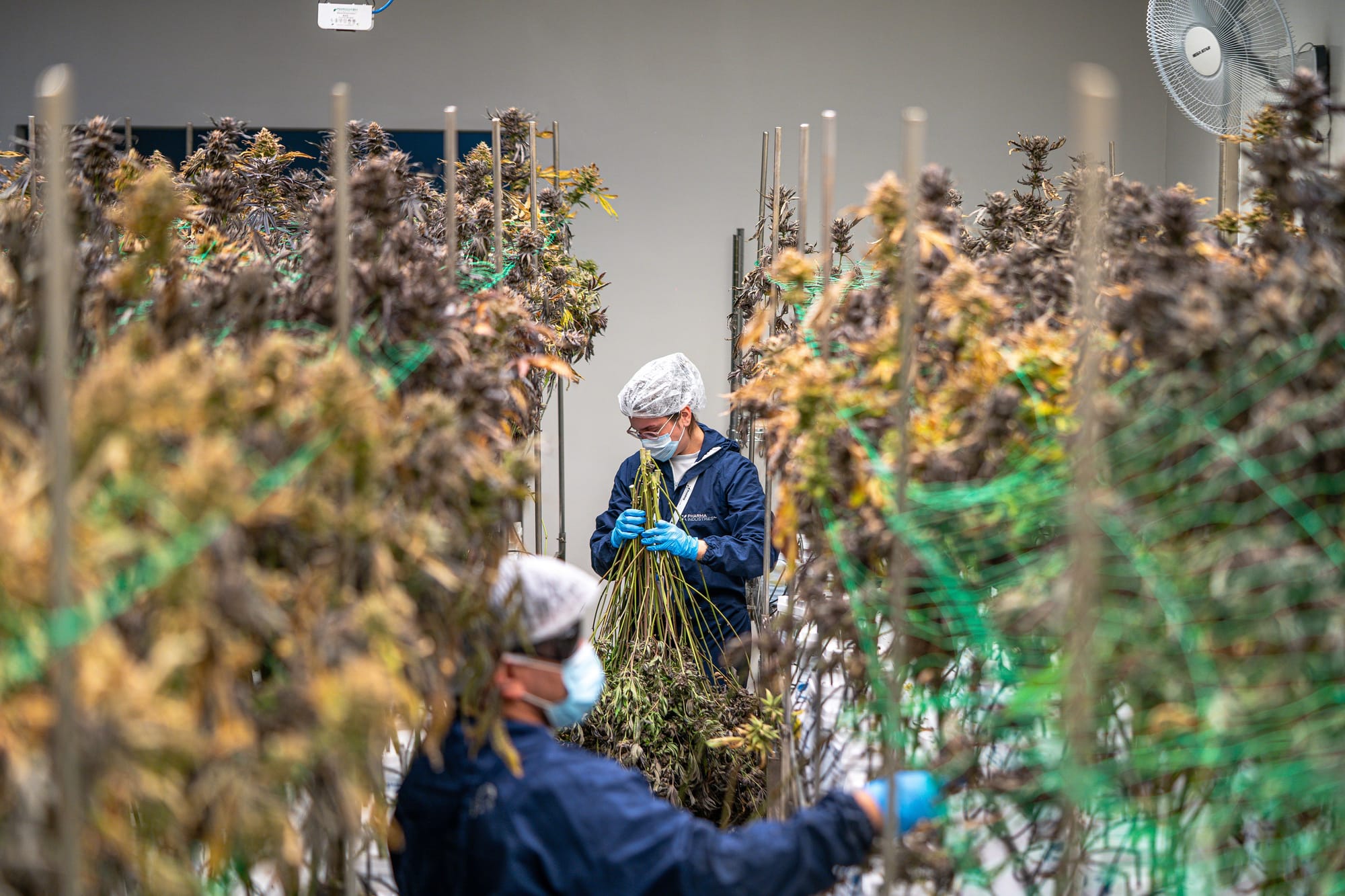
Supply-tier operations remain the primary driver of full-time employment and workforce demand across the Hudson Valley.

Addressing workforce readiness will require stronger alignment between industry needs, training providers, and educational institutions.

While retail serves as the public-facing component of the industry, workforce demand extends across cultivation, manufacturing, logistics, compliance, and operations.

Long-term success will depend on collaboration among employers, educational institutions, workforce agencies, and community stakeholders.
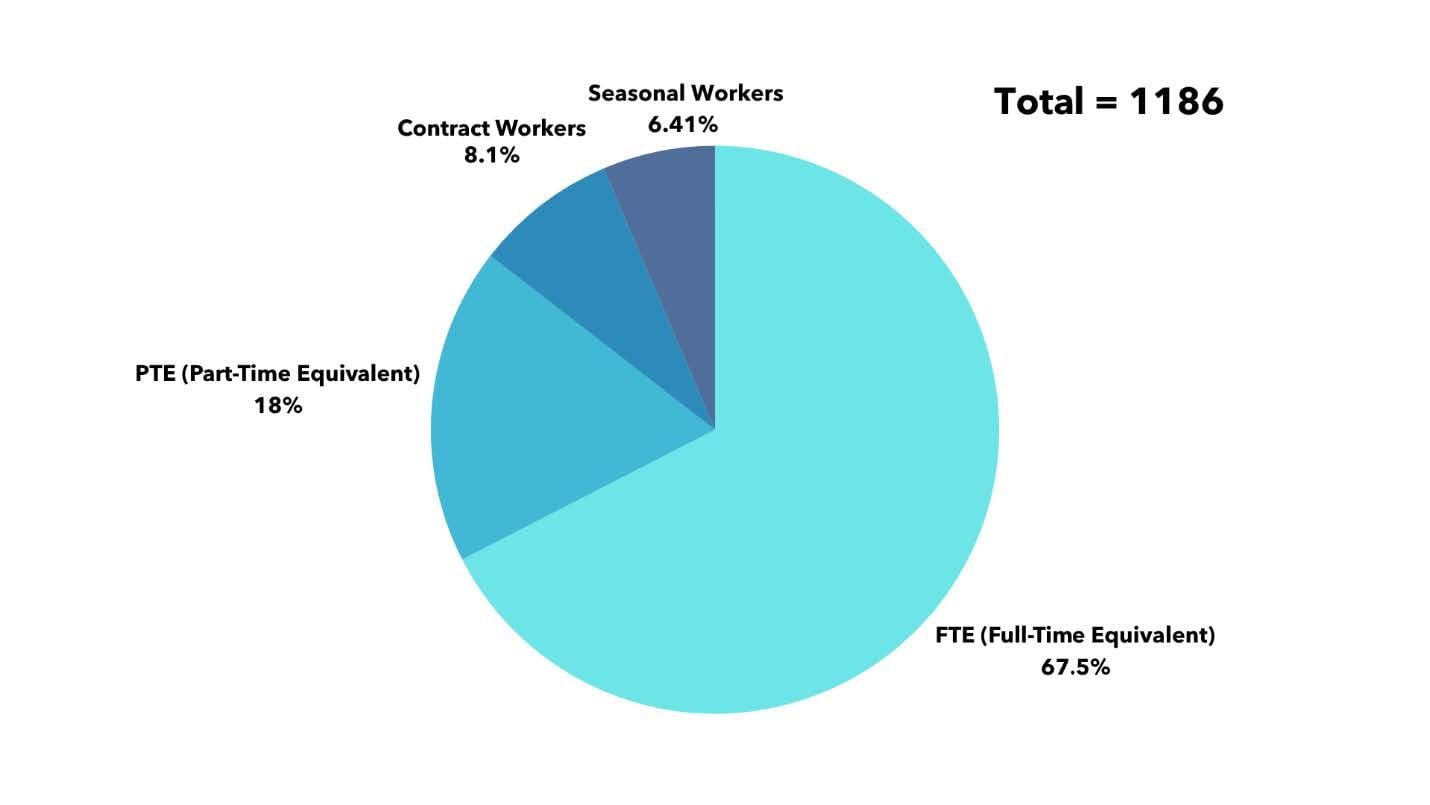
Full-time positions represent the majority of reported jobs, reflecting an industry focused on building a stable workforce.
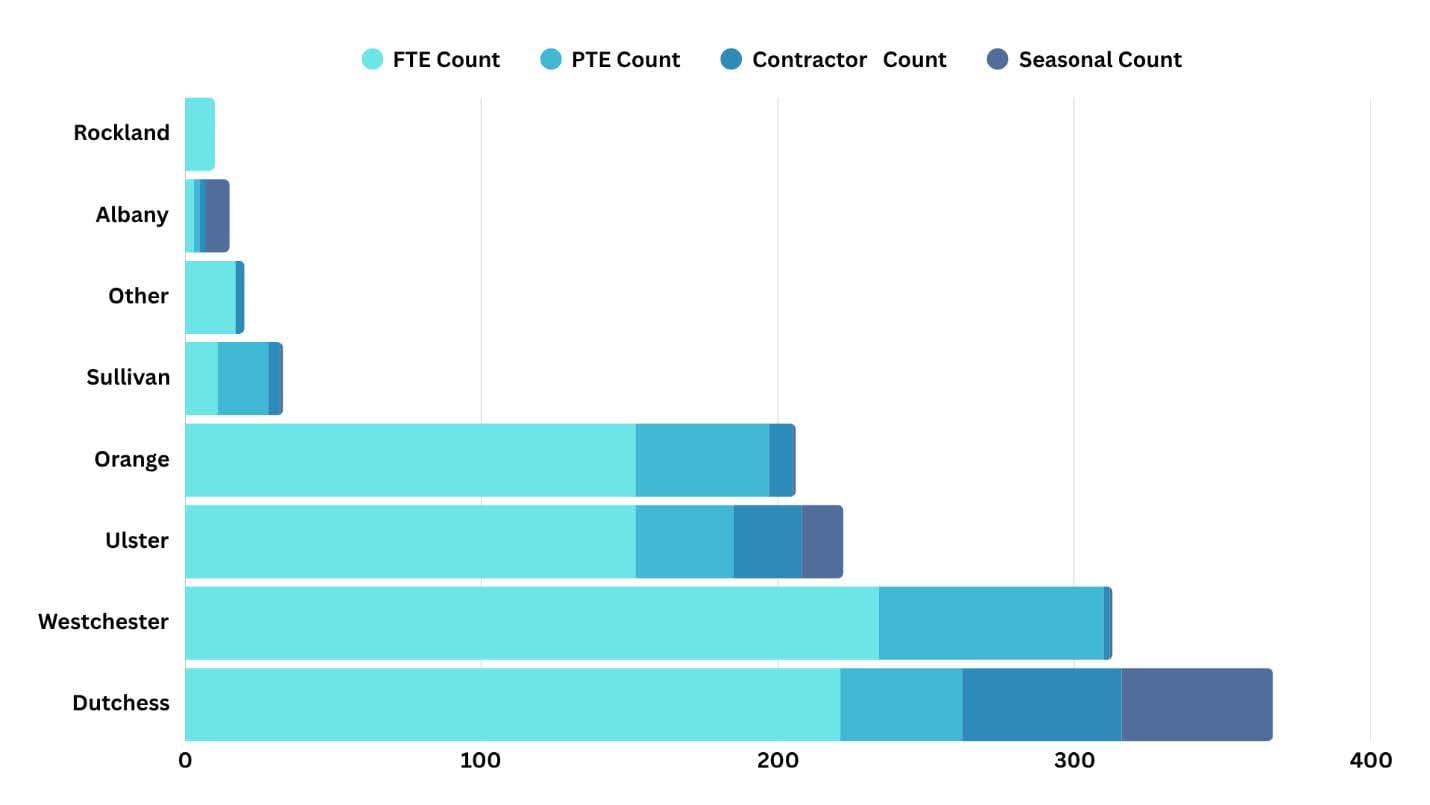
Employment is concentrated within four counties that have emerged as the region's primary cannabis workforce centers.
Download the full reports for a deeper look at the Hudson Valley cannabis workforce study, including the research findings, methodology, workforce trends, and supporting data tables.
The Hudson Valley Cannabis Workforce Blueprint provides an evidence-based foundation for workforce planning, education alignment, and policy development.
The findings make clear that New York's cannabis industry is creating jobs and preparing for expansion. The next phase of growth will depend on strengthening workforce readiness, supporting equity-focused businesses, and building the educational and business infrastructure necessary to sustain a competitive and resilient cannabis economy.
This report would not have been possible without the people who chose to invest their time, their perspectives, and their belief in building a stronger cannabis industry. I want to sincerely thank every cannabis licensee who took time away from running their businesses to participate, every employee who openly shared their experiences from the front lines, every ancillary business that recognized the importance of contributing to this work, and our college partners who believed in this project from the beginning and helped make it possible. Your willingness to collaborate has laid the foundation for a workforce strategy grounded in real experiences, real data, and a shared commitment to New York's future. Together, we've taken an important first step toward building a stronger, more informed, and more sustainable cannabis workforce.This work is too important to end here; as New York's cannabis industry continues to evolve, we must remain committed to listening, measuring, learning, and strengthening partnerships so that data-driven decision-making continues to guide a resilient, equitable, competitive, and sustainable workforce, because this report is not the finish line; it is the foundation for the collaboration and continuous improvement our industry and state deserve.
— Jumaane Hughes, Chief Operations Officer, NYSC Connect Corp.